

Custom Homes in Dripping Springs — Austin's Hill Country, Built by Experience
Twenty-five miles west of Austin along Highway 290. The Gateway to the Hill Country — where wine country, acreage, and a growing community of people who chose this landscape over the city converge.
Where the Hill Country Begins — From Austin's Perspective
Most of Paradise’s 22 service communities sit in the arc north and west of San Antonio. Dripping Springs is different. It is Austin’s entry point into the Hill Country — the place where Highway 290 leaves the suburban edge of the metro and the terrain opens into rolling limestone hills, live oak groves, and acreage subdivisions governed by Hays County rather than Travis County.
Paradise builds here because the Hill Country does not belong to one city. The terrain west of Dripping Springs is the same Edwards Plateau limestone, the same live oak and juniper landscape, and the same HOA-governed acreage model that Turner has built on for decades across the San Antonio side. The construction conditions, the foundation considerations, and the site-evaluation expertise are identical. What changes is the direction of the commute — and for the growing number of buyers who work remotely, that distinction matters less with each passing year.
Dripping Springs sits roughly 70 miles from Paradise’s base near Bulverde — well within the company’s operating radius and comparable in distance to communities like Fredericksburg and Kerrville, where Paradise builds regularly.
Rolling Terrain, Heritage Oaks, and Room to Spread Out
The terrain around Dripping Springs transitions quickly from the developed 290 corridor into genuine Hill Country. West of town, the landscape becomes increasingly rural — rolling limestone hills covered in live oak, seasonal creek crossings, and acreage communities where lots of two to twenty acres are standard. The elevation sits between 1,000 and 1,400 feet, and the terrain’s character is consistent with what Turner encounters throughout the Edwards Plateau: caliche and limestone substrate, natural drainage patterns that require careful siting, and sun and wind conditions that directly affect how a home should be oriented on its lot.
Dripping Springs ISD serves the area and is one of the most respected districts in Hays County. The school district’s quality is a significant factor for the families who are building here — younger buyers with children who want Hill Country acreage without compromising on education. Hamilton Pool Preserve, Reimers Ranch Park, and Pedernales Falls State Park are all within a short drive, contributing to an outdoor-recreation culture that shapes daily life in the area.
The lot landscape includes both HOA-governed acreage subdivisions with architectural standards and larger unrestricted parcels further from the highway. Buyers exploring west along 290 toward Johnson City, or south toward Driftwood and Wimberley, will find even larger acreage with fewer restrictions. Paradise builds across this entire corridor and can help buyers compare options across communities.
Navigating the Build in Hays County
City and County Jurisdictions
Dripping Springs incorporated in 2014, and its city limits encompass the core of the community along Highway 290. Lots within the city fall under municipal permitting, including building permits, inspections, and compliance with the city’s lighting ordinance — Dripping Springs was designated the first Dark Sky Community in Texas in 2014, and outdoor lighting standards apply to new construction within the city limits. Outside the city, building in unincorporated Hays County follows the standard Hill Country pattern: HOA and architectural committee review, septic systems, and in some cases well water. Paradise is familiar with both environments and navigates whichever framework applies to the lot.
Water and Infrastructure
Water availability in the Dripping Springs area is managed through a combination of municipal service from the City of Dripping Springs Water Utility, the West Travis County Public Utility Agency, and private wells. The Edwards Aquifer and Trinity Aquifer serve different parts of the region, and water capacity has been a consideration for development planning in western Hays County. Paradise coordinates water infrastructure as part of every build and can advise on what a specific lot’s water situation will require.
The Austin-Side Building Market
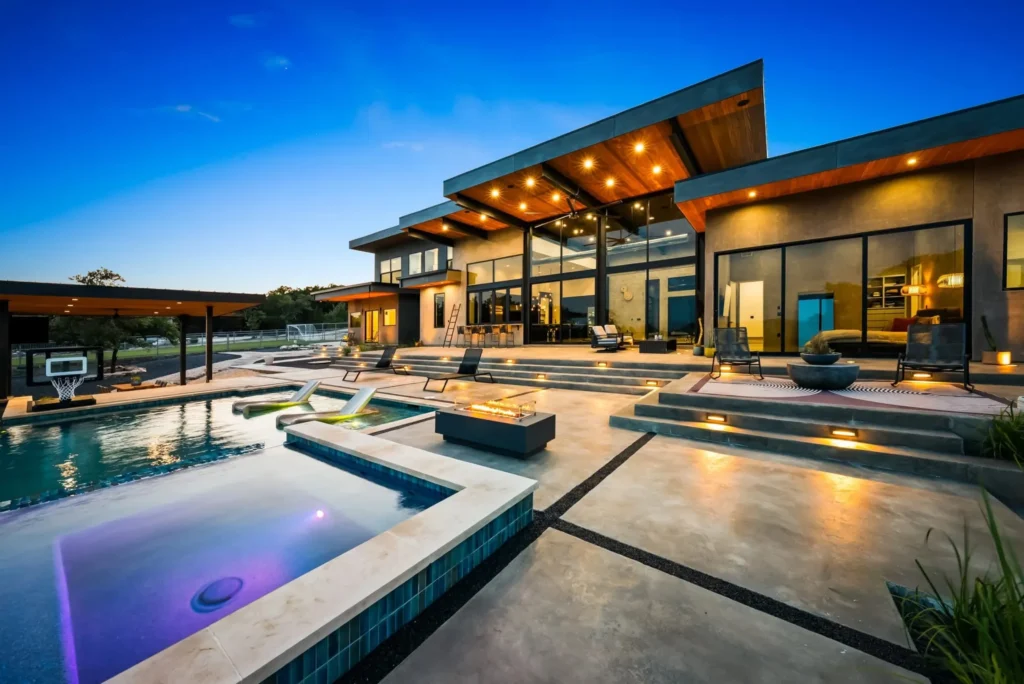
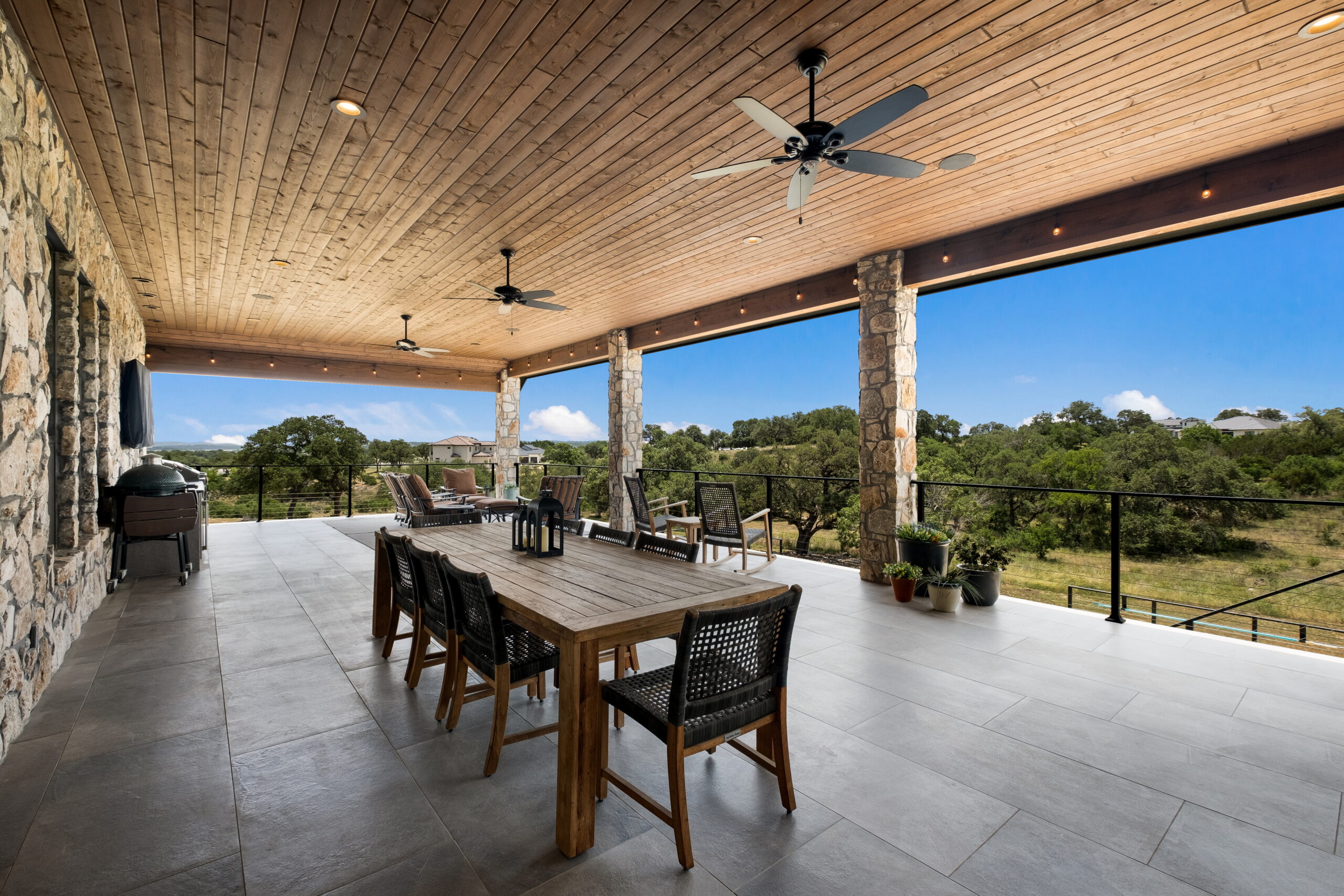
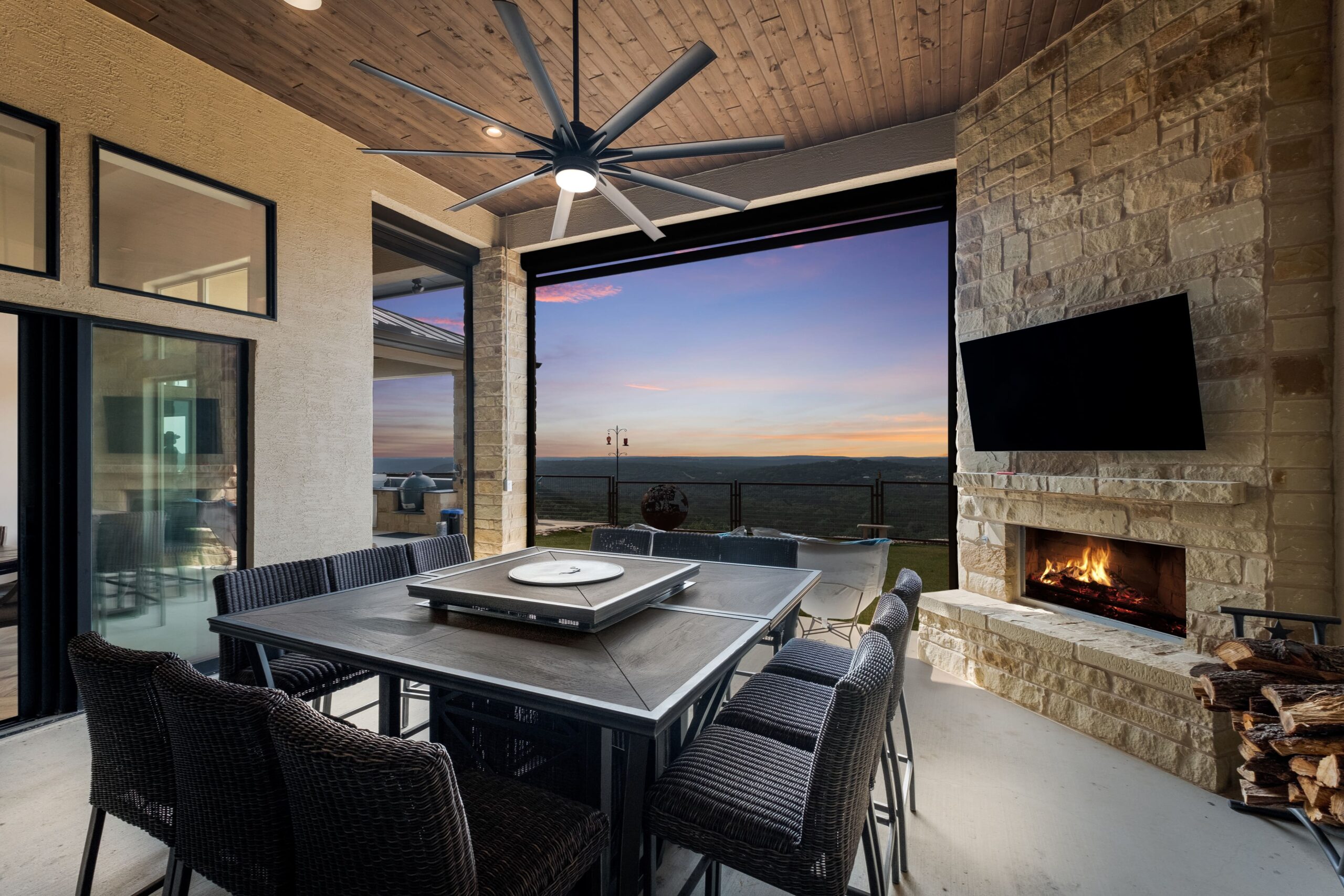
The Dripping Springs construction market includes both production builders serving the suburban growth along 290 and custom builders working on acreage properties further from the highway. Paradise competes in the custom-home segment — buyers who have already purchased or are evaluating acreage lots and want a home designed specifically for their land, their views, and their budget. The company’s turnkey approach, owner-on-every-job model, and 55 years of Hill Country building experience apply here exactly as they do on the San Antonio side.
More Than a Place to Build — A Place to Live
Dripping Springs has developed a lifestyle economy that sets it apart from other Hill Country communities. The corridor along Highway 290 and its side roads is home to a concentration of wineries, craft distilleries, and breweries — Deep Eddy Vodka, Dripping Springs Distilling, Treaty Oak Distilling, and numerous tasting rooms are all within the area. The city’s 2014 designation as the first International Dark Sky Community in Texas reflects a community that values the quality of its natural environment and legislates to protect it.
For someone building a custom home here, this economy and this mindset are part of what defines the location. The neighbors are people who chose Dripping Springs for the same reasons — the terrain, the proximity to Austin, and a community culture that is younger, more active, and more design-conscious than many Hill Country towns further west.
The Terrain Is the Same — The Experience Applies
The limestone substrate, the live oak canopies, the prevailing southeasterly breezes, the sun exposure patterns — these do not change because the lot is in Hays County instead of Kendall or Comal County. Turner evaluates a lot in Dripping Springs with the same criteria he uses in Boerne, Spring Branch, or Blanco: where to orient the home for comfort and views, where the rock is close enough to affect the foundation, which trees are worth designing around, and how the natural drainage flows across the property.
His experience building in the Hill Country for over 30 years means that the practical challenges of acreage construction — septic design, well coordination, extended utility runs, rock excavation, and driveway grading — are not unfamiliar situations that require learning on the job. They are standard conditions that Paradise addresses on every project, with the same trades, the same suppliers, and the same construction standards that apply whether the home is 20 miles or 70 miles from the company’s base.
We talked to three Austin-area builders before someone mentioned Paradise. Turner drove out to our lot the following week, walked it for an hour, and told us more about what that piece of land could do than anyone else had in three months of looking. The fact that he’s based near San Antonio turned out to be irrelevant — his Hill Country knowledge was the thing that mattered, and no one else came close.
Your Dripping Springs Home, Built by Hill
CountryExperience
Whether you are building on acreage west of town or evaluating lots along the 290 corridor, Turner can walk the land with you and share what he sees. The conversation starts whenever you are ready.